

Neuro360

In The News

360 Degrees of Neurological Innovation

A randomized controlled trial has demonstrated clinically meaningful improvements in motor recovery for chronic stroke survivors using the FDA-cleared IpsiHand® brain-computer interface system.
Researchers at Washington University in St. Louis are developing a hair-thin, fiber-based implant to study how Alzheimer’s disease progresses deep within the brain. Supported by a $3.27 million NIH grant, the technology enables long-term imaging and targeted intervention in the hippocampus — one of the first regions affected in Alzheimer’s.

A randomized controlled trial has demonstrated clinically meaningful improvements in motor recovery for chronic stroke survivors using the FDA-cleared IpsiHand® brain-computer interface system.
By combining advanced vision-language AI models with real-world task analysis, researchers developed a system that can recognize cognitive sequencing errors during everyday activities like cooking. This approach moves beyond traditional assessments, offering a more realistic way to support safety, confidence, and daily functioning.

By combining advanced vision-language AI models with real-world task analysis, researchers developed a system that can recognize cognitive sequencing errors during everyday activities like cooking. This approach moves beyond traditional assessments, offering a more realistic way to support safety, confidence, and daily functioning.

Research from WashU Medicine reports encouraging long-term results for tofersen, an FDA-approved therapy for a rare genetic form of ALS caused by SOD1 mutations. Extended treatment slowed disease progression and improved survival, with about one-quarter of participants experiencing stabilization or gains in strength and mobility.

Research at Washington University in St. Louis has been recognized on the global stage, with WashU named a Focused Ultrasound Center of Excellence by the Focused Ultrasound Foundation.

NEURO360-aligned research led by Rohit V. Pappu, PhD, with Min Kyung Shinn, PhD, at WashU’s McKelvey School of Engineering is uncovering new therapeutic targets for neurodegenerative disorders such as ALS.

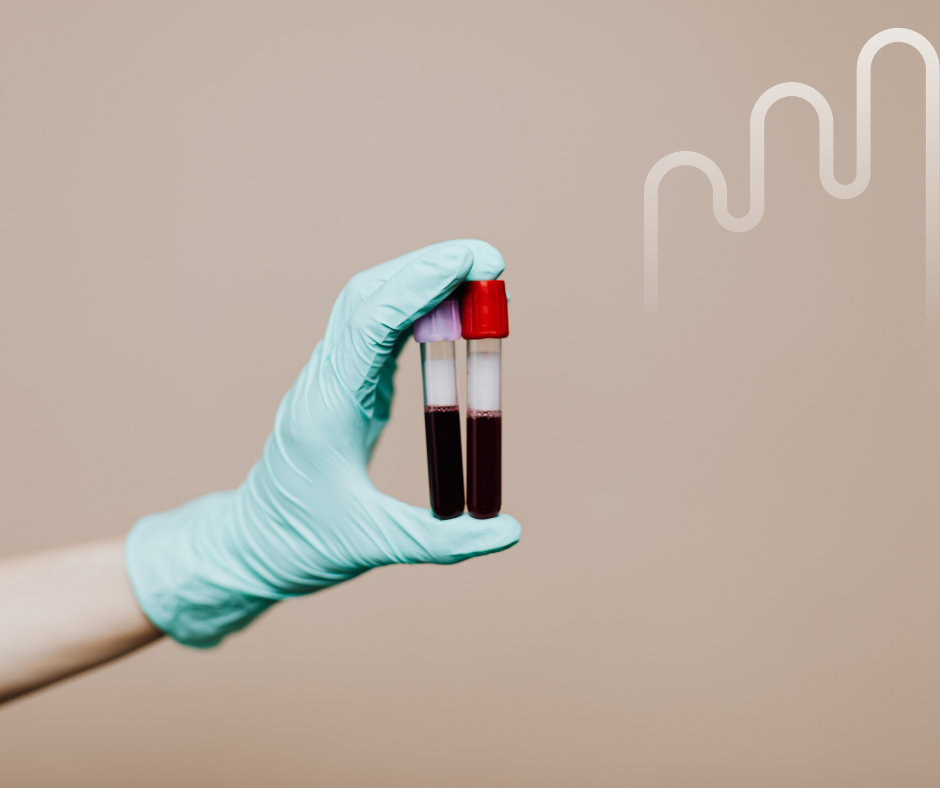
A gloved hand holds two blood-filled test tubes against a beige background, with a subtle white graph design, conveying a clinical, professional tone.

A randomized controlled trial has demonstrated clinically meaningful improvements in motor recovery for chronic stroke survivors using the FDA-cleared IpsiHand® brain-computer interface system.

Illustration of a person with hands on temples, highlighting a glowing orange brain. The image suggests concentration and brain activity.

Researchers at Washington University in St. Louis are developing a hair-thin, fiber-based implant to study how Alzheimer’s disease progresses deep within the brain. Supported by a $3.27 million NIH grant, the technology enables long-term imaging and targeted intervention in the hippocampus — one of the first regions affected in Alzheimer’s.

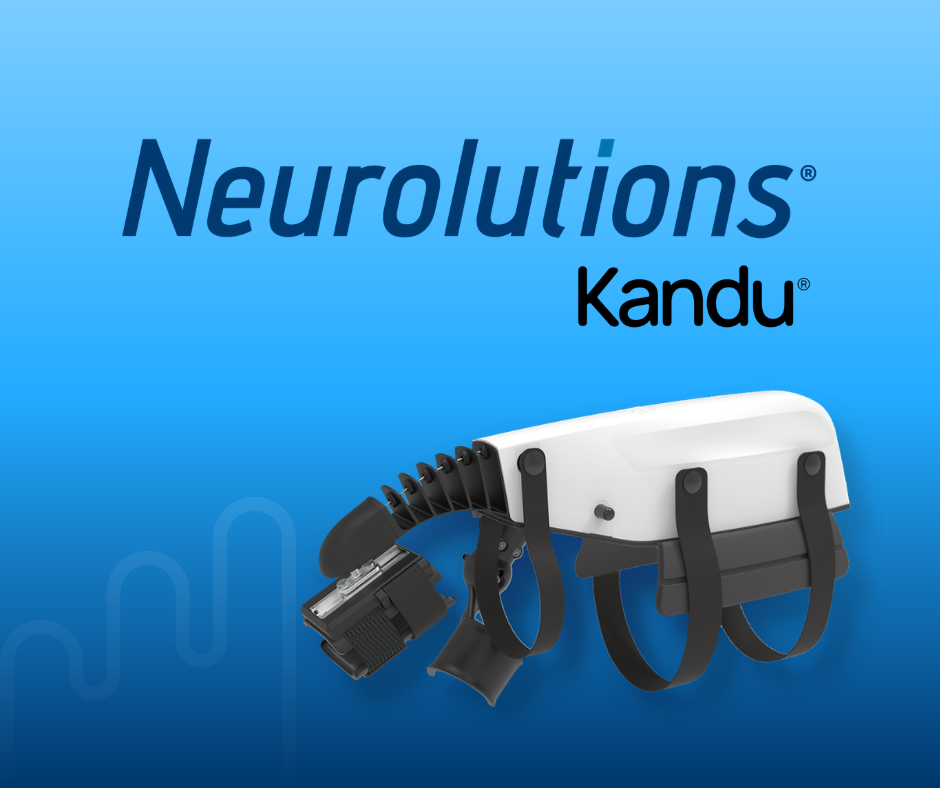
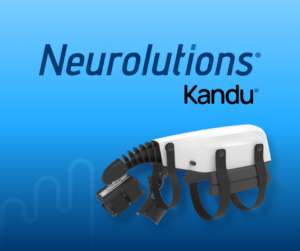
Blue gradient background featuring "Neurolutions" and "Kandu." Below is a white and black wearable device with straps, evoking innovation and technology.

A randomized controlled trial has demonstrated clinically meaningful improvements in motor recovery for chronic stroke survivors using the FDA-cleared IpsiHand® brain-computer interface system.

A hand with fingers curling downward, held by the opposite hand, against a gray background with a faint curved line pattern. Tone suggests tension.

By combining advanced vision-language AI models with real-world task analysis, researchers developed a system that can recognize cognitive sequencing errors during everyday activities like cooking. This approach moves beyond traditional assessments, offering a more realistic way to support safety, confidence, and daily functioning.

A white bowl of oatmeal on a cloth napkin next to a spoon. In the background, there's a cup, honey, and blueberries. A brain icon is overlayed.

By combining advanced vision-language AI models with real-world task analysis, researchers developed a system that can recognize cognitive sequencing errors during everyday activities like cooking. This approach moves beyond traditional assessments, offering a more realistic way to support safety, confidence, and daily functioning.

A person in a blue shirt leans on a walker, gripping the handles tightly. The scene conveys determination and support in a healthcare setting.

Research from WashU Medicine reports encouraging long-term results for tofersen, an FDA-approved therapy for a rare genetic form of ALS caused by SOD1 mutations. Extended treatment slowed disease progression and improved survival, with about one-quarter of participants experiencing stabilization or gains in strength and mobility.

Focused Ultrasound Foundation logo above text "Center of Excellence" and the WashU logo with shield on a gradient blue background.

Research at Washington University in St. Louis has been recognized on the global stage, with WashU named a Focused Ultrasound Center of Excellence by the Focused Ultrasound Foundation.

Translucent brain illustration with glowing network lines. Overlaid text reads "WashU McKelvey Engineering" with the WashU shield. Tone conveys innovation.

NEURO360-aligned research led by Rohit V. Pappu, PhD, with Min Kyung Shinn, PhD, at WashU’s McKelvey School of Engineering is uncovering new therapeutic targets for neurodegenerative disorders such as ALS.

Smiling man (Ching) with glasses in a suit against a blue gradient background, featuring a minimalist line design. Professional and friendly tone.

ShiNung Ching, PhD, co-lead of NEURO360’s Mobile Apps, Software & Computing Research Node and a professor of neuroengineering, has been named chair of the Preston M. Green Department of Electrical & Systems Engineering at Washington University in St. Louis.

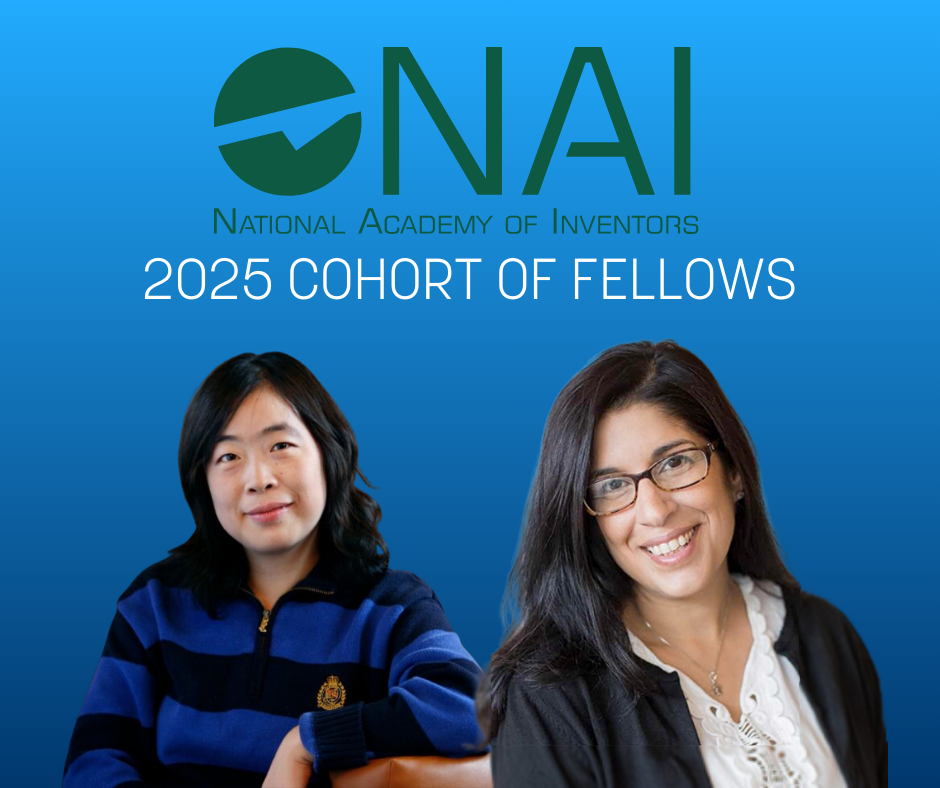
Two women smiling at the camera are pictured against a light blue background. Text reads, "NAI National Academy of Inventors, 2025 Cohort of Fellows."

NEURO360‑aligned research by Muriah D. Wheelock and Brian A. Gordon at WashU Medicine received a $5 million NIH grant to study how early‑life stress affects brain aging and Alzheimer’s.